
La identificación en adultos suele comenzar al reconocer patrones persistentes desde la infancia: agotamiento social extremo tras interactuar, hipersensibilidad o hiposensibilidad sensorial (luces, ruidos, texturas), necesidad de rutinas, intereses profundos y específicos, y la sensación continua de "estar actuando" para encajar. El primer paso recomendado es la autoexploración informada a través de cuestionarios psicométricos de cribado validados y la lectura de literatura especializada.
La "Neurodiversidad" es un hecho biológico: describe la infinita variación natural en el funcionamiento del cerebro humano en toda la especie. "Neurotípico" se refiere a la persona cuyo neurotipo encaja en el promedio estadístico y social dominante. "Neurodivergente" describe a la persona cuyo procesamiento cognitivo, neurológico o sensorial diverge de la norma estadística (como personas autistas, con TDAH, dislexia, altas capacidades, etc.). Por tanto, una persona no es "neurodiversa", sino "neurodivergente"; el grupo colectivo es el que es neurodiverso.
¿Tienes una duda específica que no aparece aquí?
Cada historia de vida y neurotipo es singular. Si deseas conversar sobre tus dudas particulares o buscas orientación psicológica personalizada, puedes agendar una primera sesión de acogida gratuita.
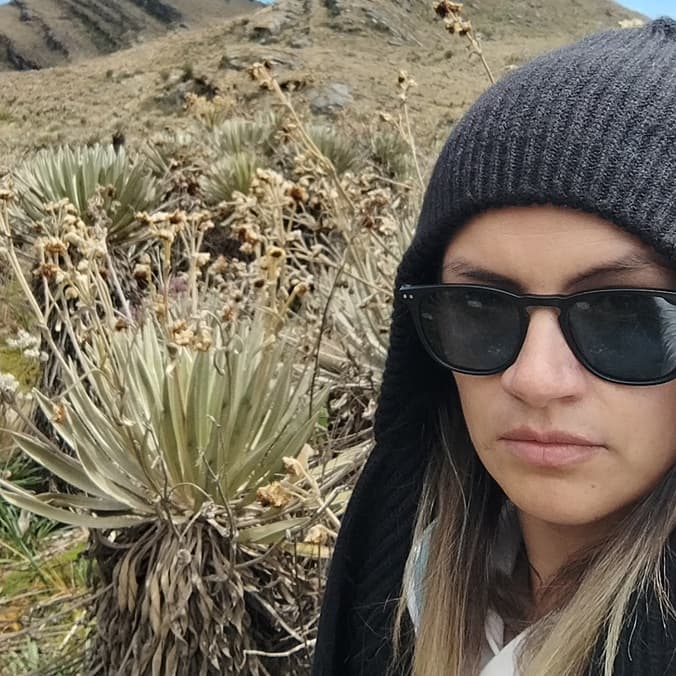
Angie J. Moreno
Psicóloga con enfoque neuroafirmativo e integral · Magíster en Educación Virtual
Contenidos recopilados, analizados y redactados desde una postura crítica y basada en la evidencia (neurorrealidad), orientados a despejar dudas frecuentes sobre autismo, TDAH y neurodivergencia en el contexto hispanohablante.
Bibliografía y Referencias de Consulta
- American Psychiatric Association. (2022). Diagnostic and Statistical Manual of Mental Disorders (5th ed., text rev.; DSM-5-TR). American Psychiatric Association Publishing.
- Baron-Cohen, S., Wheelwright, S., Skinner, R., Martin, J., & Clubley, E. (2001). The Autism-Spectrum Quotient (AQ): Evidence from Asperger syndrome/high-functioning autism, males and females, scientists and mathematicians. Journal of Autism and Developmental Disorders, 31(1), 5–17.
- Bogdashina, O. (2016). Sensory Perceptual Issues in Autism and Asperger Syndrome: Different Sensory Experiences - Different Perceptual Worlds (2nd ed.). Jessica Kingsley Publishers.
- Chapman, R. (2021). Neurodiversity and the social ecology of mental functions. Perspectives on Psychological Science, 16(6), 1360–1372.
- Crichton, P., Carel, H., & Kidd, I. J. (2017). Epistemic injustice in psychiatry. BJPsych Bulletin, 41(2), 65–70.
- Dwyer, P. (2022). The neurodiversity approach(es): What are they and what do they mean for researchers?. Human Development, 66(2), 73–92.
- Fricker, M. (2007). Epistemic Injustice: Power and the Ethics of Knowing. Oxford University Press.
- Hull, L., Petrides, K. V., Allison, C., Smith, P., Baron-Cohen, S., Lai, M. C., & Mandy, W. (2017). “Putting on My Best Normal”: Social Camouflaging in Adults on the Autism Spectrum. Journal of Autism and Developmental Disorders, 47(8), 2519–2534.
- Milton, D. E. (2012). On the ontological status of autism: the ‘double empathy problem’. Disability & Society, 27(6), 883–887.
- Ministerio de Salud y Protección Social de Colombia. (2024). Resolución 1197 de 2024: Por la cual se establecen disposiciones para la certificación de discapacidad y el Registro de Localización y Caracterización de Personas con Discapacidad (RLCPD). Bogotá, D.C.
- Raymaker, D. M., Teo, A. R., Steckler, N. A., Lentz, B., Scharer, M., Delos Santos, A., Kapp, S. K., Hunter, M., Joyce, A., & Nicolaidis, C. (2020). “Having All of Your Internal Resources Exhausted Beyond Measure and Being Left with No Clean-Up Crew”: Defining Autistic Burnout. Autism in Adulthood, 2(2), 132–143.
- Russell, G., Stapley, S., Newlove-Delgado, T., Salmon, A., White, R., Warren, F., Pearson, A., & Ford, T. (2021). Time trends in autism diagnosis over 20 years: a UK population-based cohort study. Journal of Child Psychology and Psychiatry, 63(6), 674–682.
- Singer, J. (2016). NeuroDiversity: The Birth of an Idea. Judy Singer.